



Signs a Deceased Loved One Is Visiting You
Signs deceased loved one visiting you may appear as a familiar song at the right moment, a meaningful dream, or a sudden feeling of warmth when you are thinking of them. After loss, grief can make connections feel especially vivid, and that does not make your experience foolish or empty; you can hold it gently without forcing certainty.
This guidance is for anyone seeking comfort around memories, unusual moments, and quiet spiritual experiences. It helps you notice what happens, record the time and feeling, ask for a gentle sign, and choose a simple ritual such as lighting a candle for five minutes. You will also find ways to tell a comforting pattern from everyday coincidence, while keeping your feet on the ground and your heart open.
In short
- Signs are usually quiet and personal, not dramatic, and they often repeat in a pattern you can recognize.
- You can ask for a specific sign and set a calm window of time to watch for it, which makes it easier to trust what you notice.
- Writing down each sign, with the date and how you felt, helps you see patterns instead of doubting every moment.
- A short ritual, like lighting a candle or pulling one card, can turn a passing feeling into a steady, comforting practice.
What Counts as a Sign a Deceased Loved One Is Visiting You
A sign a deceased loved one is visiting you is usually a small, personal moment that feels quietly connected to them. It may be their favourite song playing at an unexpected time, a familiar scent in an empty room, a coin appearing where you would not expect it, a bird lingering nearby, a light flickering, or a sudden sense of warmth. The moment may feel tender, peaceful, or simply recognisable in a way that is difficult to explain.
Personal meaning matters more than drama. A song that meant something to both of you may carry far more weight than an unusual event with no connection to your shared life. You might notice the same symbol several times, hear a phrase they often used, or feel drawn to a memory just when you need comfort. Repetition can make the experience feel significant, although it still cannot offer definite proof of communication after death.
Grief can heighten your attention, so familiar details may stand out more sharply than they did before. That response is natural and does not make your experience foolish or imaginary. You can hold both possibilities gently: the moment may arise through memory and heightened awareness, or it may feel like one of the signs from deceased loved ones you recognise in your own way. What matters first is how it affects you. If it brings calm, connection, or a meaningful pause, you can acknowledge it without forcing an explanation.

The Most Common Signs and What They Usually Feel Like
Signs from deceased loved ones often arrive through ordinary details that carry an unusually personal feeling, so notice both what happens and how you feel in the moment.
- A familiar scent, such as their perfume, tobacco, cooking, or a particular flower, may appear briefly when there is no clear source nearby; the feeling is often immediate and connected to a specific memory.
- A song may play on the radio at a striking moment, or one lyric may seem to echo something you shared, bringing comfort, tears, or a quiet sense of recognition.
- Birds, butterflies, feathers, or a familiar animal can show up repeatedly in places or moments that remind you of them, especially when the encounter leaves you peaceful rather than alarmed.
- A coin, photograph, piece of jewellery, or small personal object may turn up in an odd place, prompting a strong memory even when the item has a simple everyday explanation.
- A dream about them may feel unusually vivid, calm, and coherent, with a clear emotional tone that stays with you after waking; writing it down can help you notice its details without forcing an interpretation.
- Lights may flicker, a clock may stop, or an electronic device may behave strangely, although practical causes such as batteries, wiring, or a weak connection deserve attention first; recurring times can be recorded alongside other mirror hours and universal signs.
- A sudden warmth, deep calm, or quiet sense of knowing may arise during a still moment, perhaps while holding a photograph or thinking about them, and it can feel more meaningful when it brings steadiness rather than urgency.
Dream experiences can also carry difficult emotions, so a vivid night image deserves gentle reflection rather than an automatic conclusion; you may find dream interpretation for a nightmare helpful when the atmosphere feels unsettling.
How to Tell a Real Visit From Ordinary Coincidence
Pause before deciding
When something reminds you of someone who has died, pause for a few breaths before assigning meaning. No single moment can prove where a sign came from, so give yourself space to notice what happened without judging it.
Check for repetition
Write down the detail and watch for a similar sign appearing again within a short period. The same song or scent returning several times may feel more meaningful than one isolated coincidence, especially when each occurrence is clear and unexpected.
Notice the timing
Ask whether it appeared soon after you thought of them, spoke their name, or asked for a sign. Timing can add context, while staying open to ordinary explanations such as a familiar song playing on a planned playlist.
Read your body
Notice the feeling that follows. Calm and warmth, or a quiet sense of presence, can support your personal interpretation. Fear or panic calls for a pause and grounding before you continue.
Test the meaning
Consider whether the sign carries a private connection between you and that person. A flower they loved or a phrase they often used may hold personal meaning that a general symbol does not.
Ground yourself gently
Place both feet on the floor, name five things you can see, and take a slow drink of water. A comforting spiritual experience should leave room for peace and choice; it is not meant to frighten or control you. If the signs remain confusing, a reflective spirit guide and guardian angel reading may offer another perspective without deciding what you must believe.

How to Ask for a Specific Sign (and Actually Notice It)
You can ask for a gentle, specific sign while leaving room for ordinary coincidence and personal meaning.
-
Choose one clear sign
Select something simple and easy to recognise, such as a robin, a yellow butterfly, or a particular song. One sign gives your attention a calm point of focus; several at once can make every detail feel loaded.
-
Set a short time window
Choose three days or one week. A defined window keeps the practice contained and helps you return to daily life instead of waiting for something to happen every minute.
-
Speak your request
Use your own words, aloud or on paper: “If you are close, I would welcome seeing a robin within the next three days.” Add a sentence of thanks, then let the request rest.
-
Carry on gently
Go about your usual routine. Watching too hard can make quiet moments feel pressured, while a relaxed mind may notice a song in a café or a bird appearing during an ordinary walk.
-
Record what fits
Write down the date, place, sign, and your first feeling. Include details that leave you uncertain. This creates an honest record and gives you space to reflect before deciding what the moment means.
If writing helps you stay receptive, you could pair this practice with an automatic writing reading for channeled messages, while keeping your own observations separate from any guidance.
A Simple Ritual to Welcome a Visit Without Fear
You can create a calm space for connection tonight with a candle, a few quiet minutes, and an open heart, while allowing whatever happens to remain gentle and uncertain.
Prepare a quiet space
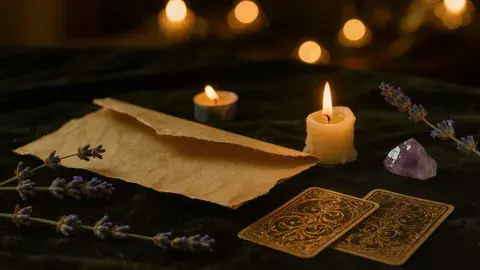
Choose a safe place where you can sit undisturbed for five minutes. Light a candle and place a small notebook nearby. Say your loved one’s name aloud, then add something like, “I remember you with love, and I welcome only what feels peaceful.”
Sit and listen
Let your breathing settle and notice what rises naturally: a memory, a feeling, a familiar scent, or simple stillness. You do not need to force a message or search the room for proof. Give the moment room to be what it is.
Draw one card
Shuffle a tarot or oracle deck and ask, “What do I need to know right now?” Pull one card and write down your first impression before reading its guidebook. If you would like a more structured reflection, an intuitive tarot reading with oracle cards can offer another perspective.
Record what you notice
In your notebook, write the date and the sign or experience, along with how you felt in your body and emotions. Include ordinary details, such as the song playing or the time you woke from a dream. This keeps your reflection grounded and helps you notice patterns gently.
Give thanks and close
Say a simple “thank you” for the memory, feeling, or quiet time. Blow out the candle safely and return to your evening. Repeat this once a week or whenever you feel the need, allowing it to remain a choice rather than an obligation.

When the Signs Feel Unclear or You Want More Guidance
It is normal to doubt what you are noticing, especially during the first months of grief. A familiar song or a meaningful dream can feel deeply personal, while another part of you wonders whether sorrow is making connections. You do not have to settle that question immediately. You can hold the moment gently, write down what happened, and notice how it felt in your body before deciding what it means.
Some seasons are quiet. Weeks may pass without a vivid dream or a clear sense of presence, and silence does not mean you have been forgotten. Grief shifts from day to day, and your attention may also be taken up by work, family, or simply resting. A quiet period deserves the same kindness you would give a noticeable sign.
If you want a clearer thread, a guided reading can offer an outside perspective on recurring patterns, dreams, and symbols. A spirit guide and guardian angel reading may help you reflect on the messages that keep returning, while a dream interpretation tarot reading can give shape to images that stay with you after waking. This kind of session is a reflective tool, with no promise about what will happen or who is reaching out. It can sit alongside trusted grief support, personal rituals, and the time your healing needs.
Keeping a Sign Journal: A Small Habit That Changes Everything
A simple sign journal gives you a gentle way to notice what happens without forcing every unusual moment to mean something.
- Write the date and time, describe the sign in plain words, and note where you were when it happened.
- Add how you felt in your body and emotions, such as peaceful, tearful, comforted, distracted, or suddenly attentive.
- Record what you were thinking about just before the moment, especially if a memory, conversation, or decision involving your loved one had been on your mind.
- Keep each entry to three lines so the practice stays easy enough for ordinary days, and include small details such as a familiar song, scent, number, dream, or unexpected object.
- Leave room for uncertainty by writing what happened before deciding what it means; this helps you honour the experience while staying grounded.
- After one month, read the entries slowly and look for patterns in timing, places, emotions, or repeated symbols rather than searching for proof in every coincidence.
- If writing opens a deeper question, you could pair the journal with an Automatic Writing Reading for Channeled Messages as a reflective source of guidance.
My picks



The most useful step is to keep a simple record: write the date, what you noticed, and how you felt, then watch for gentle patterns over time. You might also light a candle for five minutes and calmly ask for a clear, comforting sign within the next week. If you would like a reflective prompt, browse Spirit Guide Reading and Guardian Angel Messages for quiet spiritual guidance.
Want help reading the signs you keep noticing?
A Spirit Guide Reading can help you look at the symbols, dreams, and quiet moments around you with a calm, outside perspective. Your first consultation is free with the code WELCOME.
View Spirit Guide Reading Guardian Angel MessFrequently asked questions
How do I know it is really my loved one and not just my grief?
You may hold the experience gently without proving its source. Repeated details, timing soon after you thought of them, a calm feeling, and a meaning personal to both of you can make it feel significant. Grief can shape perception too, and doubt is natural. Write down what happened, when it occurred, and how your body felt afterward.
What are the most common signs a deceased loved one is near?
People commonly report a familiar scent, a meaningful song, a bird or butterfly appearing at an unusual moment, a feather or coin, vivid dreams, flickering lights, or sudden warmth and calm. These experiences have many possible explanations, so receive them as personal symbols. Note the date, setting, and memory each sign brings forward.
Can I ask for a specific sign?
Yes, you can request one simple sign as a personal ritual. Choose something clear, such as a particular flower or song, and set a short window of three days to one week. Say the request aloud or write it down, then return to ordinary activities. Let the sign remain meaningful without searching every moment for evidence.
Why do the signs stop for a while?
Quiet seasons are normal, and a pause does not mean you have been forgotten. Signs may feel less noticeable when grief, work, or daily responsibilities fill your attention, or when your mind needs rest. Try keeping a small notebook nearby and spending five quiet minutes with a photo, candle, or memory, without demanding an experience.
Is it safe to try to contact a loved one on my own?
A calm, simple ritual is generally gentle: light a candle safely, say your loved one’s name, share a few words, or pull one card for reflection. Keep the moment brief and grounded. If you feel frightened, overwhelmed, or weighed down, stop, turn on the lights, drink water, and speak with someone you trust.
Tarot readings and spiritual guidance are offered for personal reflection and entertainment. They do not replace medical, legal or financial advice.
Related readings

Mediumship Reading for a Deceased Loved One and Spirit Messages

Past Life Reading with Akashic Records and Karmic Guidance

Akashic Reading of Your Akashic Records

Spirit Guide Reading for Guardian Angel Messages

Ancestral Reading and Karmic Healing
Related posts
 Free Psychic Reading: What Free Really Means & How to Use It
 Psychic Reading by Email: How It Works & What to Expect
 Teeth Falling Out Dream: What It Really Means
 What Dreaming of Your Ex Really Means: Understanding the Message